BMI STUDIOS

Our Blog
Insights on AI-driven creative production, brand strategy, and the future of content.
Technical SeoGen AI MarketingPhotorealistic AIAI Creative AgencyAI Product PhotographyAI Creative WorkflowCreative AIAI Brand Visibility
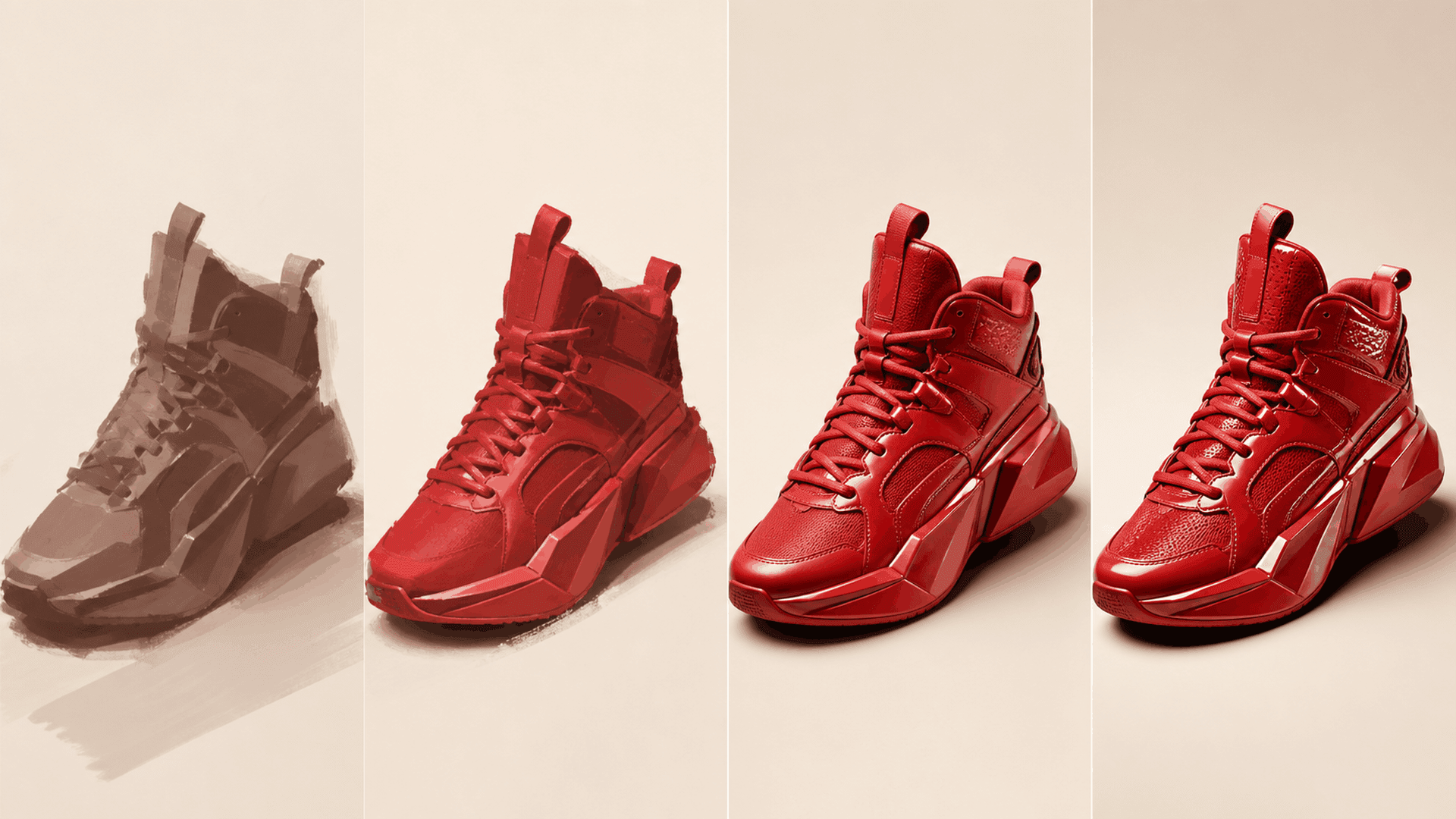
Inside an AI-Native Creative Studio: How the Work Gets Made
An AI creative workflow is not a prompt box that spits out a campaign. Here is a transparent, step-by-step look at how an AI-native studio actually makes the work, why human direction sits at the front and the back, and what that means for brands hiring one.

AI Video for Commercials: What's Broadcast-Ready in 2026
A few AI video models now clear the bar for commercial and broadcast work, but broadcast-ready means far more than a pretty clip. Here is what actually qualifies in 2026, which tools get there, where they still fall short, and how to use them on real commercial work.

AI UGC vs. Real Creator UGC: What Actually Performs for Brands
AI UGC is cheaper, faster, and infinitely scalable, and real creator UGC still holds the deepest trust. Here is an honest comparison of what each does best, what the performance data shows, and the legal line the FTC drew that most guides skip.
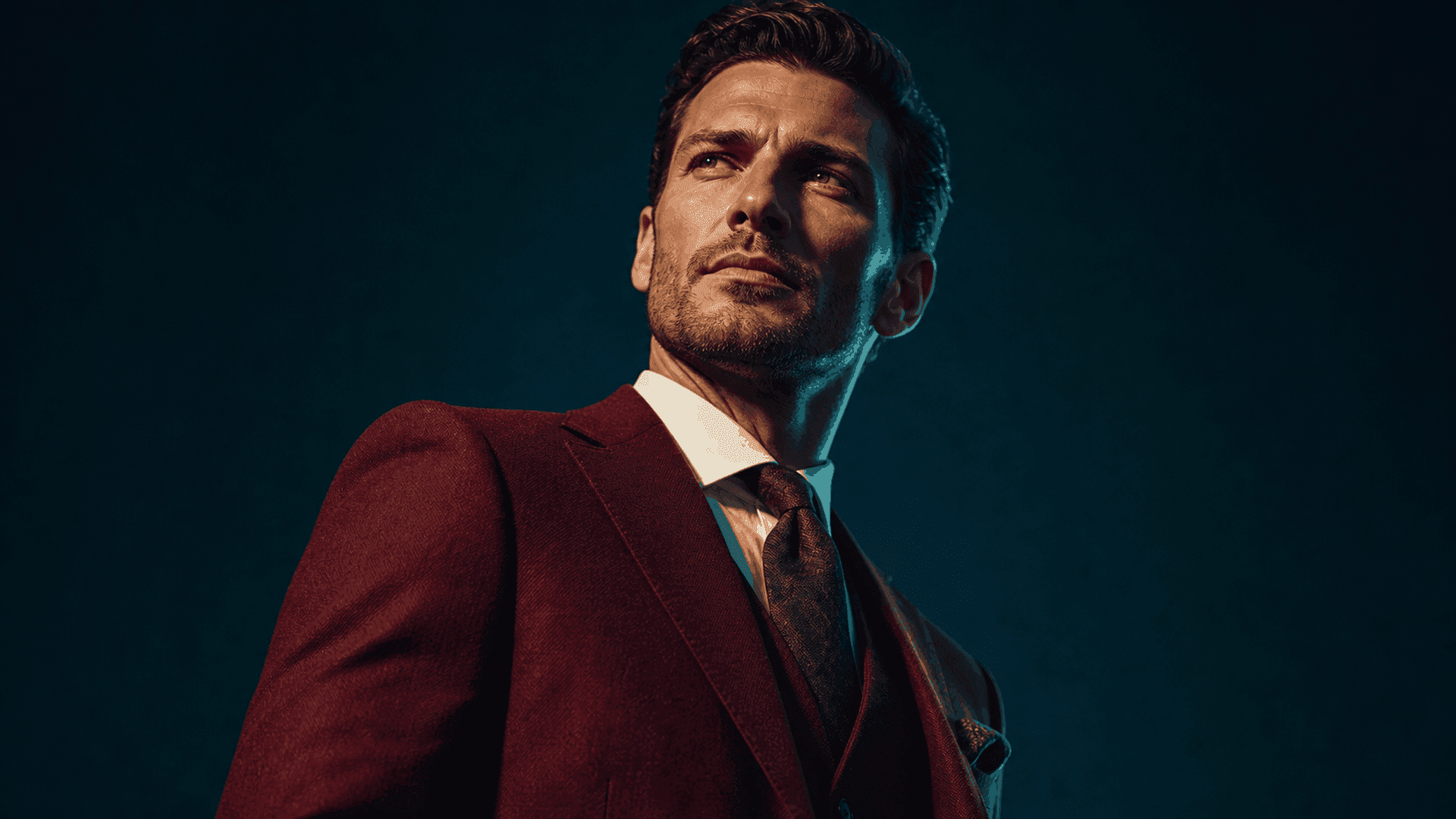
AI Creative Agency vs. Traditional Agency: An Honest Comparison
An AI creative agency and a traditional agency are not the same service priced differently, they are two production models with different strengths. Here is a practitioner's comparison of cost, speed, quality, and when each one wins, including the tradeoffs AI studios do not usually advertise.
The Future of AI in Creative Industries: What Actually Changes
Will AI replace creatives? The honest answer is more interesting than yes or no. Here is a practitioner's view of how AI is redistributing creative work, which roles change most, and what the next few years look like for people who make things.

AI Ad Creative: How Brands Produce Performance Ads in 2026
AI ad creative has moved from novelty to the default production layer for performance advertising. Here is how brands generate ad variations at scale across Meta, Google, and TikTok, what it does well, and where human creative direction still decides the outcome.

AI Graphic Design in 2026: How Brand and Visual Work Is Shifting
AI is reshaping graphic and brand design work in 2026, changing what tools handle, what designers do, and how brand teams scale visual identity. Here is what is actually shifting and where human creative direction still determines the outcome.

AI Content Creation for Brands: Where It Actually Pays Off (and Where It Doesn't)
AI content creation is reshaping how brands produce, repurpose, and distribute content at scale. Here's where it genuinely pays off, which tools to consider, and why human oversight is still the deciding factor.

AI Video Generation for Brands: What's Actually Usable in 2026
AI video generation has crossed a real threshold in 2026, but the gap between a compelling demo and a shippable brand asset is still significant. Here is an honest look at which models are production-ready, what brands can actually deliver, and where the limits still sit.

Photorealistic AI Image Generators in 2026: What Actually Makes an AI Image Believable
The best photorealistic AI image generators in 2026 can fool trained eyes, but not every prompt, not every time. This deep-dive covers what makes AI images believable, which generators lead the field, and how a studio produces commercial-grade photoreal work.

How Creative AI Is Changing Creative Work: An Honest Practitioner's View
Creative AI is reshaping how creative teams operate, not by replacing human judgment, but by moving where that judgment gets applied. Here is what actually changes, and what stays human.

How to Improve Brand Visibility in AI Search Engines
AI search engines decide whether to mention your brand in synthesized answers. Learn 7 strategies to improve your AI visibility, from answer engine optimization to citation engineering and monitoring.

Generative AI for Marketing: A Practical Guide for Brand Teams
Generative AI amplifies whatever marketing strategy you already have. Here's how brand teams are using it in 2026: five core applications, a realistic implementation roadmap, and the limits you need to understand.

What Is an AI Creative Agency? Services, Benefits, and How to Choose One
AI creative agencies combine generative AI production speed with human creative direction. Here's what they do, how they differ from traditional agencies, and how to choose the right one for your brand.

5 Best AI Creative Tools for Brand Marketing in 2026
Not every AI tool deserves a spot in your brand marketing workflow. Here are the 5 that hold up in production, tested across real client projects, with guidance on building an effective AI creative stack.

AI Product Photography: How It Works, What It Costs, and When to Use It
AI product photography transforms a single reference photo into professional catalog imagery at a fraction of traditional costs. Here's how it works, what it costs, and the hybrid approach most brands are adopting.